
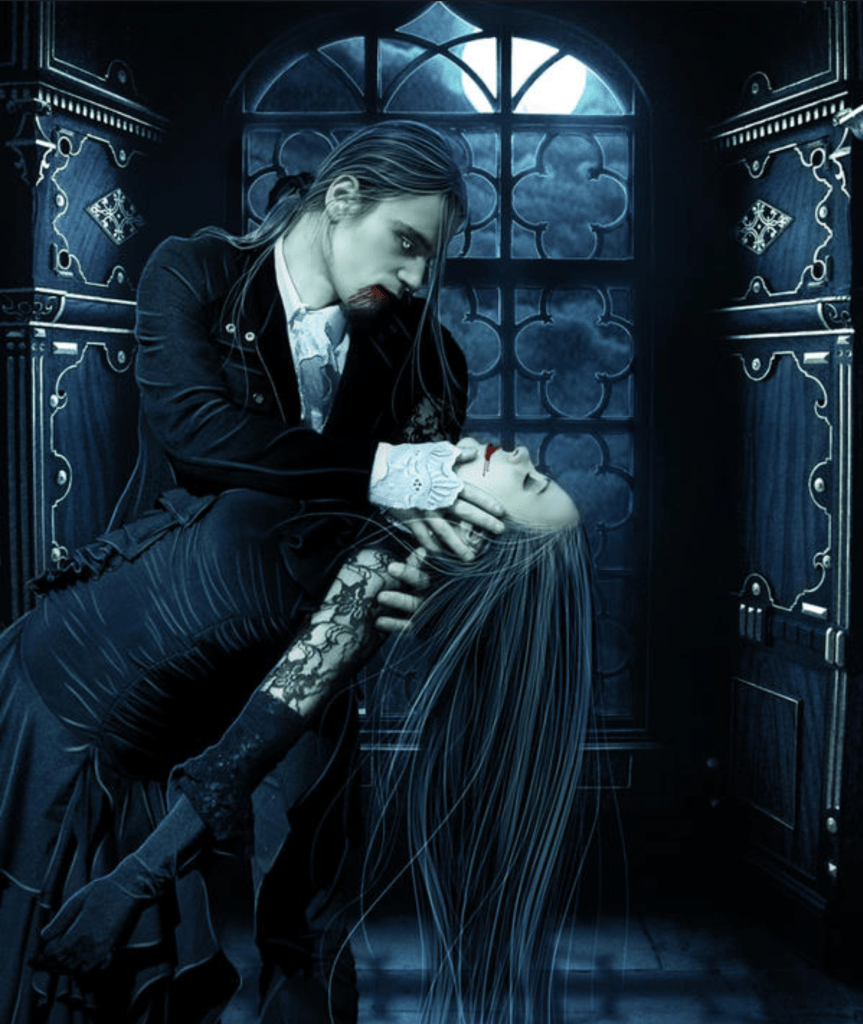
Within the past few years, I’ve had a series of dreams about vampires. One dream in particular, I was shown a book that contained stories from my mother’s side of the family. Oh yeah, they were vampires. This really sparked my interest to find out what vampires really were. Where did they come from? I know that there are spirits that are vampires, but I wanted to look deeper. I wanted more information than what is on the surface.
The thing that always hooked me to the stories about vampires was their capability to love passionately. There is no end of time for a vampire and the idea of living in passion and ecstacy was exciting. I think that just about everybody is attracted to this aspect of the vampire. Think about it. You will never die, so there is nothing holding you back. You can live exactly as you want.
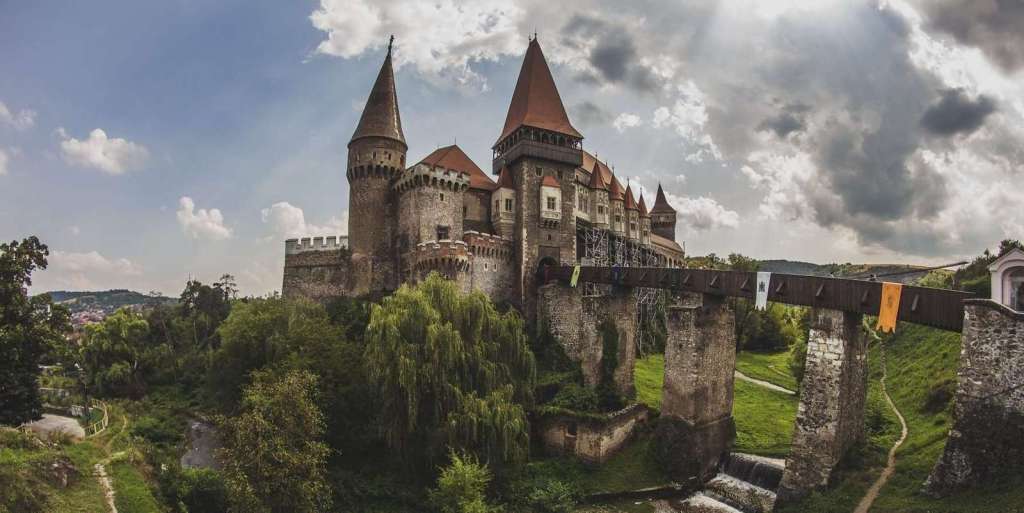
I also think of the vampire as having a sort of religious freedom. I hear so many people state that they were raised Catholic and now refuse to go into a church. It makes you wonder why these stories are so popular. The vampire was always seen as a monstrous being, someone without God. The vampire required prayer and holy water in order to be vanquished.
Slaying a vampire was seen as God’s Will. This aspect is very interesting. Large religious structures, like the Catholic Church are seen as a hierarchy that encourages people to follow certain rules in order to reach Heaven. The vampire is automatically reguarded as evil as they do not die and can never be permitted to Heaven.
In this sense, what does the vampire represent? The vampire is the old religion of the Slavic and Baltic regions. It was in 1304 when Pope Boniface VIII sent the first Catholic missionaries to Translyvania. In order to get people to convert to Catholicism, there was a lot of talk of the Devil and evils that exist within the Medieval world. That primary evil that was against the Catholic church were Witches and Vampires.
Was Vlad the Impaler the First Vampire?
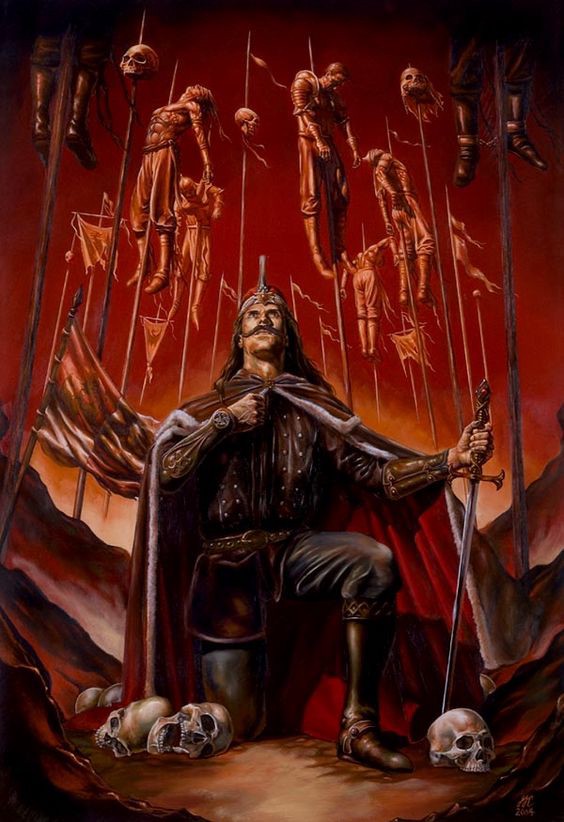
The short answer is no. This theory has been going around the internet for years… but is it really true? And being that Vlad Tepes was a real person, where are all the other vampires? Let’s look at the facts.
It is hypothesized that Vlad was born in Romania between the years 1428 and 1431. Now, let’s look at his name. The title Vlad Tepes, meaning “Vlad the Impaler” was connected to his favorite means of executing his enemies, by impaling them.
During the 15th century, many people referred to Vlad as Dracula. This was derived from his father, Vlad Dracul, meaning Vlad the Dragon, who received the title after he became a member of the Order of the Dragon. The name Dracula is a Slavic form of the name Dracul, meaning Son of the Dragon. In modern Romanian, the name dracul means “the devil,” which refers to Vlad’s reputation.
Bram Stoker’s classic literary work Dracula was published in 1897. It was the first written source connecting the name Dracula to vampirism. What sparked Stoker’s inspiration for the idea was an article by Emily Gerard about Translyvanian superstitions, including the vampire, published in 1885.
I personally believe that Vlad the Impaler was refered to as a vampire because of his cruelty. There are numerous written sources about his cruelty and brutality in Slavic, German and Russian, published between 1480 and 1500. These accounts were either seen as first witness accounts or exaggerated accounts from the Saxons. Not only did he impale his enemies and left their corpses to rot, he drank their blood too.
Vampire Legends
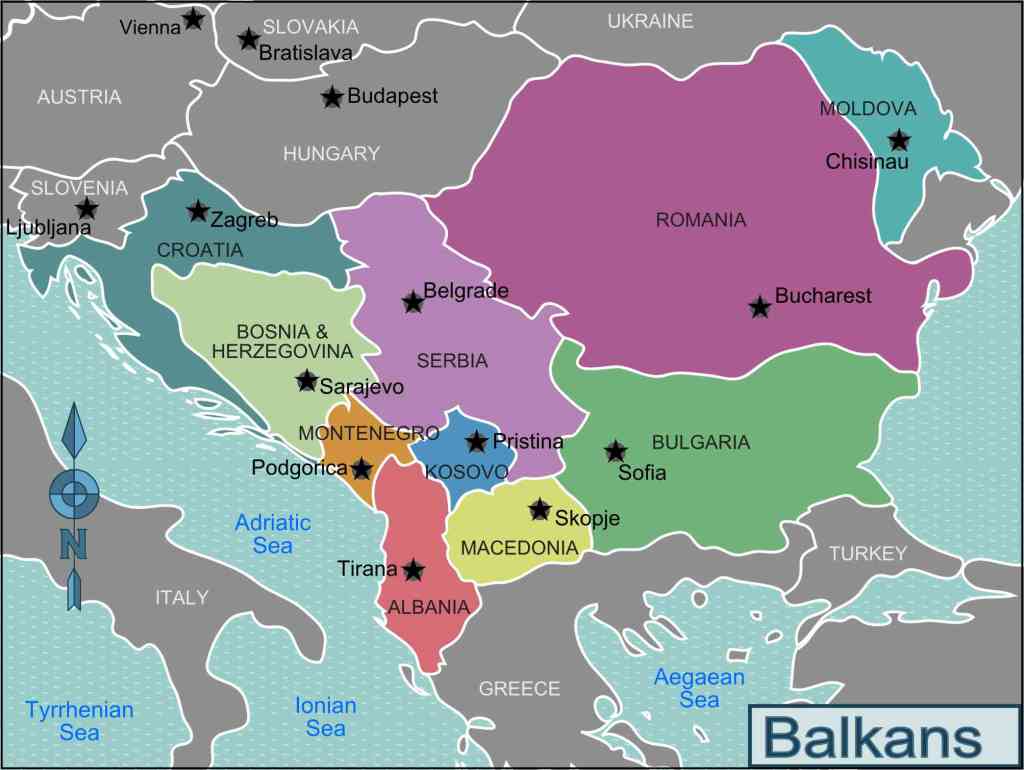
According to Balkan folklore, the vampire doesn’t exist until after death. Once a person dies, it was believed that his spirit would wander the Earth for 40 days. If the soul of the dead person does not feed within the time limit of 40 days, then he will leave this dimension. However, if he were to feed upon the living, he would then become a vampire stuck to wander the Earth for eternity.
There are two ways for a man to become a vampire. The first way is that the man did not lead an exemplary life, in another words, he was sinful. Alternatively, if after a dead man is buried and a symbolic animal were to jump over his grave, he can also become a vampire, even if he was a righteous man.
Animals play an important part in Balkan folklore. There are certain animals that are associated with particular deities within the original Slavic traditions. Most commonly, this would be Wolves or Horses. Vampires only attack their own family members, this is symbolic of the animal and the divinity connected with that particular animal. In essence, the vampire is the representation of that Deity that guards over the family.
In order erradicate the vampire, it must be killed. Since the vampire only attacks its own family members, the vampire has to be killed by an outsider. This is where the legend of the Vampire Hunter developed. The easiest way to tell if a person has become a vampire is to dig up the person’s grave and check to see if the body had started to decompose. If not, then the dead is surely a vampire.
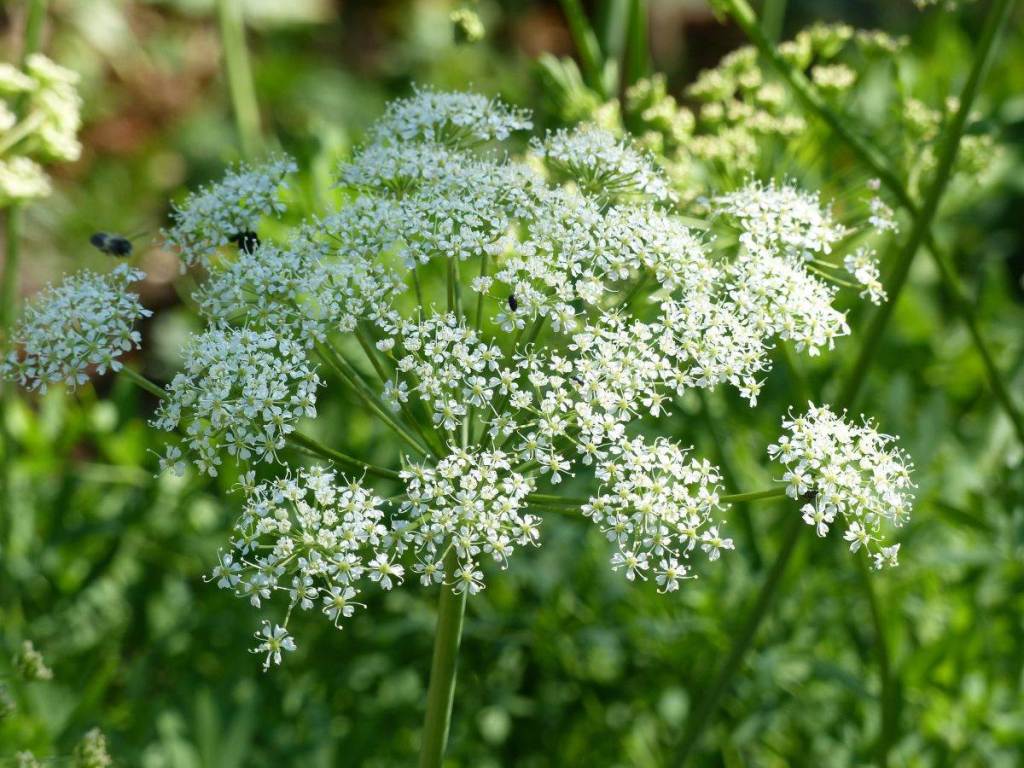
Most commonly garlic is a well-known deterant against vampires. Within the Balkan legends, it was also known that Hawthorne, Juniper, Raskovnik (known as Mandrake), Madder, Wild Teasel and Cattail were used against vampires.
When a person who did not lead an exemplary life dies, the family could do a few things to prevent vampirism in their deceased relative:*
- Touch the persons body with a stick made from Juniper wood
- Drive a Hawthorne stake through the corpse’s body
- Place a brick in the Vampire’s mouth
- Tie the dead man’s hands and feet
- Physically damage the head or decapitation
- Placing a sickle in the grave
- Placing knotted stockings or a knotted string in the grave
- Placing dirt, pebbles or seeds in or around the grave
* Please note, the above list is for educational purposes only. The information that is provided is a window into Balkan folklore and history. The author will not be held responsible in any actions of violence or vandalism as listed above, which can result in jailtime, criminal charges or fines.
Bibliography
“Balkans.” Wikipedia, Wikimedia Foundation, 5 July 2022, https://en.m.wikipedia.org/wiki/Balkans.
“Bram Stoker.” Wikipedia, Wikimedia Foundation, 5 July 2022, https://en.m.wikipedia.org/wiki/Bram_Stoker.
“Plato.” Wikipedia, Wikimedia Foundation, 9 July 2022, https://en.m.wikipedia.org/wiki/Plato.
Podunavski, Radomir R., and Michael C. Carter. Balkan Traditional Witchcraft. Pendraig Publishing, 2009.
Radosavac, Jasmina. “Vampires in Balkan Belief Culture Folklore.” Ancestral Witch, YouTube, 20 Feb. 2017, https://m.youtube.com/watch?v=FfCxTd5K7sQ&t=1s.
Radosavac, Jasmina. “What Kind of Spirit Are the Vampires in the Balkan Tradition.” Ancestral Witch, YouTube, 27 Mar. 2017, https://m.youtube.com/watch?v=3zGlKvLv8Lw.
Unknown, Charles, and Crofty Unknown. “Vampires, Before Dracula – Mythillogical.” The Histocrat, YouTube, 24 Mar. 2022, https://m.youtube.com/watch?v=pL8IeOtzLzk.
“Vlad the Impaler.” Wikipedia, Wikimedia Foundation, 5 July 2022, https://en.m.wikipedia.org/wiki/Vlad_the_Impaler.
 Spiritual Folktails
Leave a comment